

What you eat matters a lot and can affect your happiness (which might sound odd) and health (of course). Eating the right foods is imperative to true happiness. Why? For instance, when we take junk foods too frequently, we tend to get fatter, therefore leading to being obese or overweight. And when we are overweight or obese, we tend to see ourselves in a wrong light. Not just from ourselves, but also from other people (bullying- verbal and non-verbal abuse). This can cause unhappiness eventually leading to depression. So what I am trying to say here is that we can also cause unhappiness for ourselves through eating the wrong foods. And not just sleep, exercise, meditation etc. can lift your mood but also the kinds of food you eat.This post is going to be talking about foods that can promote good health and happiness.
Shop wisely
If a single food was guaranteed to make you instantly slim or happy, or end your allergy woes, stores would have to fight back the feverish shoppers. OK, we’re not quite there yet, but there are foods and nutrients that science says benefit your well-being.
“Diet has tremendous effects on our short-and long-term health, especially when it comes to obesity, diabetes, and heart disease,” says Dariush Mozaffarian, MD, associate professor of cardiovascular medicine at Harvard Medical School. Just remember, he adds, to “eat a variety of healthy foods, rather than focus on one magic bullet.” Next time you’re shopping, add these picks to your nutritionally balanced grocery cart.
Probiotic-Rich foods
In a recent Dutch study, 20 healthy volunteers received either a probiotic supplement or a placebo for four weeks. Those who received the real deal showed a significantly reduced reactivity to sad mood, which was largely due to a reduction in aggressive thoughts, and rumination (you know, when you over-think or obsess on the negative). The conclusion: the type and amount of bacteria in your digestive tract impacts your mood. Scientists even have a name for it: the gut-brain axis, or the communication highway between the GI tract and the brain, and it’s fascinating.
In an animal, a study conducted at McMaster University in Ontario, gut bacteria from mice with different personalities were swapped. Fearless mice became timid after receiving gut bacteria from anxious counterparts, and the reverse was also truly fearful rodents became more expressive and less apprehensive. The researchers also found that aggressive mice became calm when scientists changed their gut microbes by health-ing up their diets. All of this means that, for all intents and purposes, your gut bacteria can literally be mind-altering. To reap the benefits, stock up on probiotic-rich fermented foods, including kimchi, sauerkraut, and kefir, or consider popping a probiotic supplement.
Fruits and Veggies
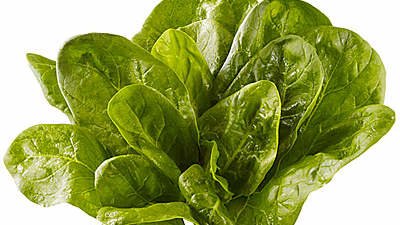
In a study published in the British Journal of Health Psychology, nearly 300 young adults kept daily food journals for three consecutive weeks, in addition to completing psychological and mood-related ratings. Researchers found that a higher intake of produce resulted in more energy, calm, and a greater sense of happiness. They also noted that the effects were seen not only on the days more veggies and fruits were consumed, but also throughout the following day. Another study, published in the journal Social Indicators Research, which tracked 80,000 adults, found that consuming a higher amount of produce boosted mental well-being, with the magic number for happiness being seven daily servings. To use produce to elevate your mood, choose fruits and veggies first, and build each meal around them.
Legumes
Peas, beans, and peanuts are stand-up sources of magnesium, a mineral that plays a core role in your body’s energy production. (It’s involved in more than 300 biochemical reactions in your system.) “When you exercise, magnesium is redistributed throughout the body to help energy molecules get to where they’re needed,” explains Forrest H. Nielsen, PhD, a research nutritionist in the USDA’s Agricultural Research Service.
A deficiency may cause you to fizzle out more easily. Workout queens need to be extra vigilant (you lose some magnesium through sweat). Legumes will help you fulfill the RDA of 320 milligrams: One cup of white beans has 134 milligrams; even a cup of frozen peas delivers 35 milligrams.
Coffee
Coffee drinkers can be thought of as curmudgeons, but research has actually linked regular java consumption to positivity. In one study, researchers found that coffee consumed in the morning was linked to energy, kindness, and pleasure. Coffee enjoyed socially was tied to affection, friendship, satisfaction, and good nature; and when sipped leisurely, cups of Joe induced calm, happiness, and tranquility. Another study, published in the JAMA Internal Medicine, found that women who drank two to three cups of coffee a day were 15% less likely to develop depression over a 10-year span, compared to those who consumed one cup or less each day. Now that doesn’t mean a pot a day is a recipe for bliss, but if you enjoy coffee there are other health benefits to making it a daily habit.
Eggs
You might keep memory-scramble at bay with eggs. The yolks are high in choline, a key nutrient required to make the neurotransmitter acetylcholine (it helps with signaling between memory-supporting neurons).
“In our study, people who met the recommended levels of choline performed better on memory tests than those who didn’t,” says Rhoda Au, PhD, a research professor of neurology at Boston University School of Medicine. The daily recommendation is 425 milligrams; two eggs have about 300 milligrams.

#eathealthy
 Kofoworola.com